Mera Peak trek - A Quick Guide
Mera Peak trek - A Quick Guide Overview
The Mera Peak trek offers an incredible journey to the highest trekking peak in Nepal. Standing at 6,476 meters (21,247 feet), it's a non-technical climb that is ideal for those with limited mountaineering experience but who have a good level of physical fitness. The trek to its summit is an adventure itself, taking you through remote valleys and high-altitude glacial terrain before rewarding you with one of the most stunning panoramic views of the Himalayas.
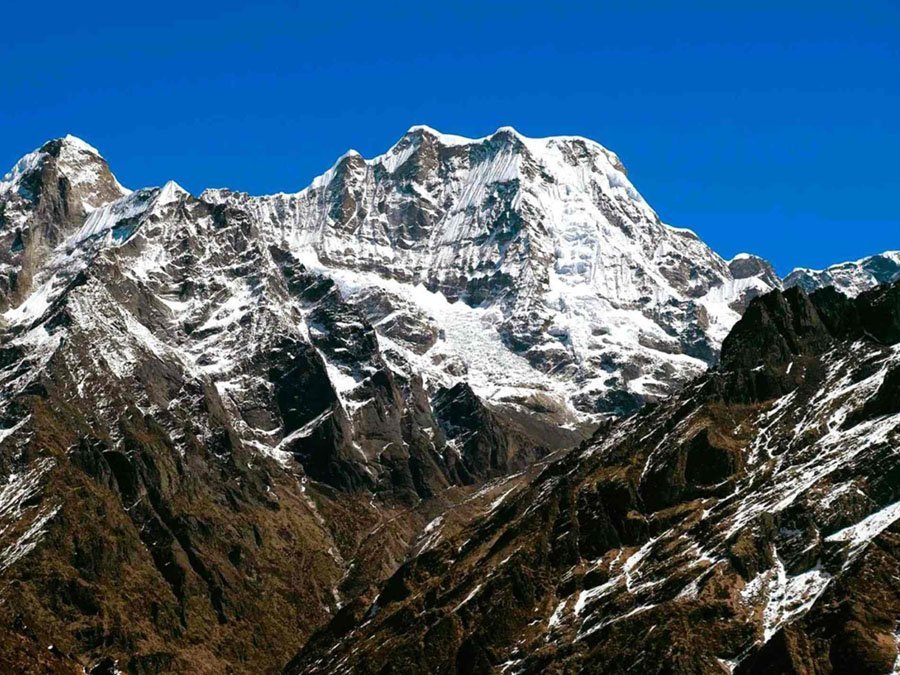
Highest trekking peak in Nepal
Key Features of the Mera Peak Trek:
Nepal's Highest Trekking Peak:
Reaching an altitude of 6,476m, Mera Peak offers the highest summit experience possible without advanced technical climbing skills.
Stunning Panoramic Views:
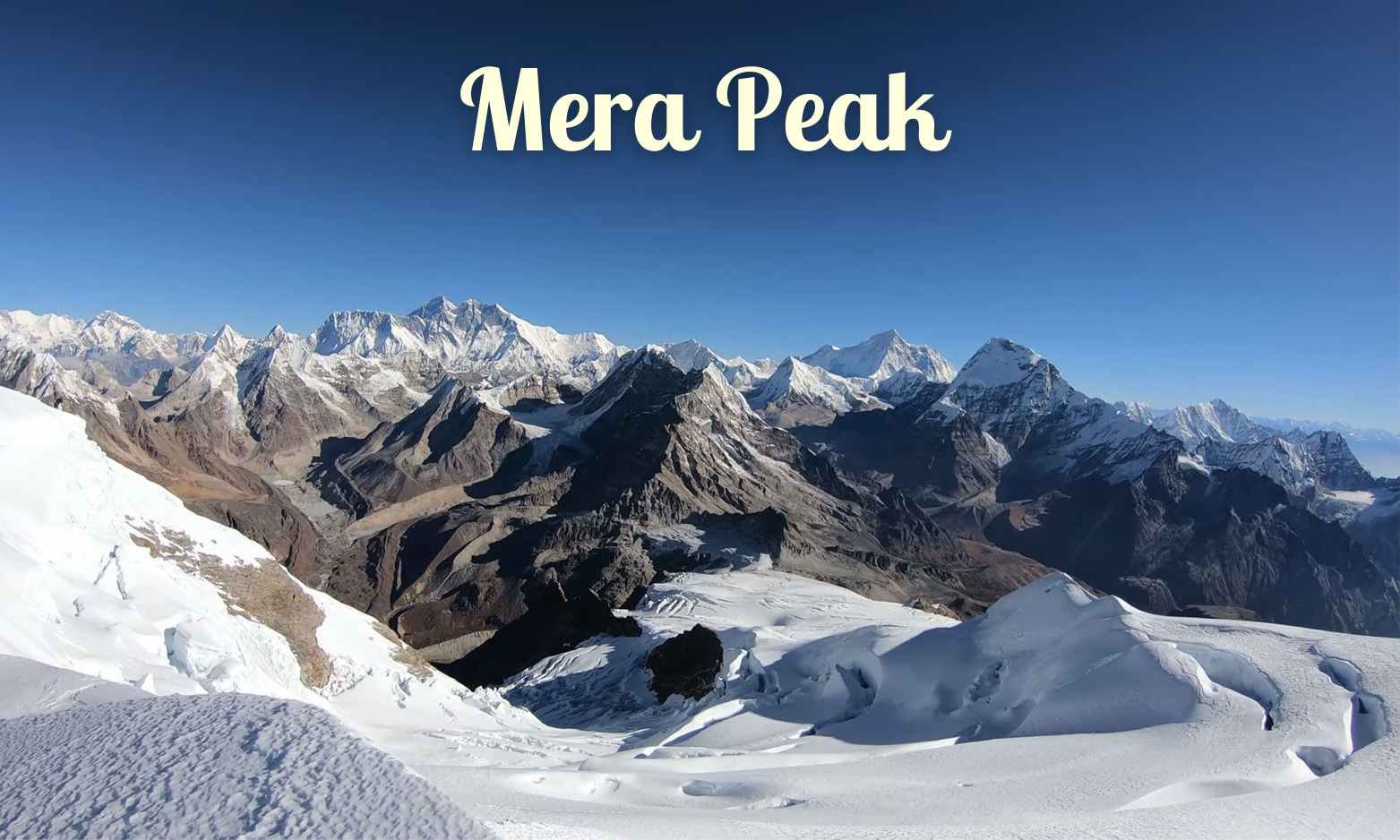
From the summit, you can see five of the world's six highest mountains, including Everest, Lhotse, Cho Oyu, Makalu, and Kanchenjunga.
Varied Landscapes:
The journey passes through sub-tropical forests, alpine meadows, and glaciated terrain, providing a diverse and scenic trek.
Non-Technical Climb:
The climb is generally straightforward, but it requires the use of basic mountaineering equipment like crampons, ice axes, and ropes on the glacier sections.
Lodge and Camping Based:
The trek typically involves a combination of teahouse stays in the lower regions and camping at higher altitudes, particularly at high camp.
Permit Requirements:
The Mera Peak climb requires several permits, including a Mera Peak Climbing Permit from the Nepal Mountaineering Association (NMA) and a Makalu Barun National Park Entry Permit.

Mera Peak high camp
Mera Peak Trek: A Quick Guide with Highlights of the Trek
The Summit View:
The 360-degree panorama from the top is the main draw, offering an unparalleled view of the world's highest peaks.
Remote Hinku Valley:
The Mera Peak trek takes you through the stunning, less-travelled Hinku Valley, offering a more secluded and authentic experience.
Lukla Flight:
The scenic, short flight from Lukla is a thrilling end to the adventure, known for its dramatic airport.
Local Sherpa culture:
Trekkers encounter the local Sherpa people and their cultural heritage, gaining insights into their traditions.
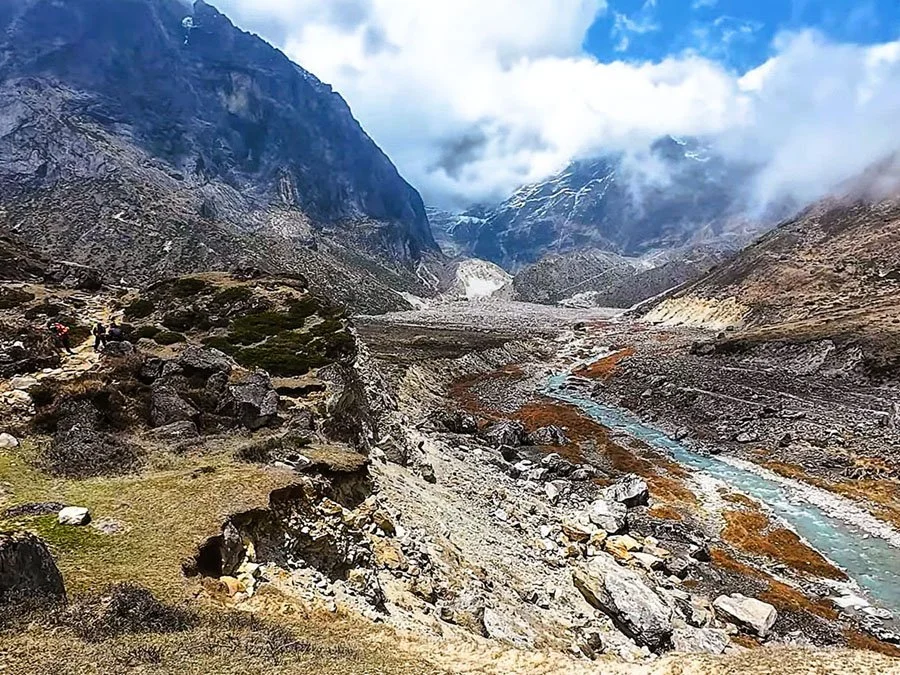
Hinku Valley
Important Considerations:
Altitude Acclimatisation:
With a summit over 6,000m, proper acclimatisation is critical. Itineraries are designed with extra days at high altitudes to help your body adjust to the thin air.
Physical Fitness:
A high level of cardiovascular fitness, endurance, and leg strength is essential. Training should begin several months before the trek, including long hikes with a backpack.
Basic Mountaineering Skills:
While non-technical, you'll need to know how to use crampons, ice axes, and ropes. Your guides often teach these skills during the trek.
Weather and Gear:
The weather can be unpredictable, especially at high altitudes. You must be prepared with warm, layered clothing, a high-quality sleeping bag, and appropriate gear to ensure safety and comfort.
If you'd like more detailed information about the Mera Peak trek, be sure to check our Frequently Asked Questions section on our site.