
Everest Three Passes: A hidden trek in Everest region
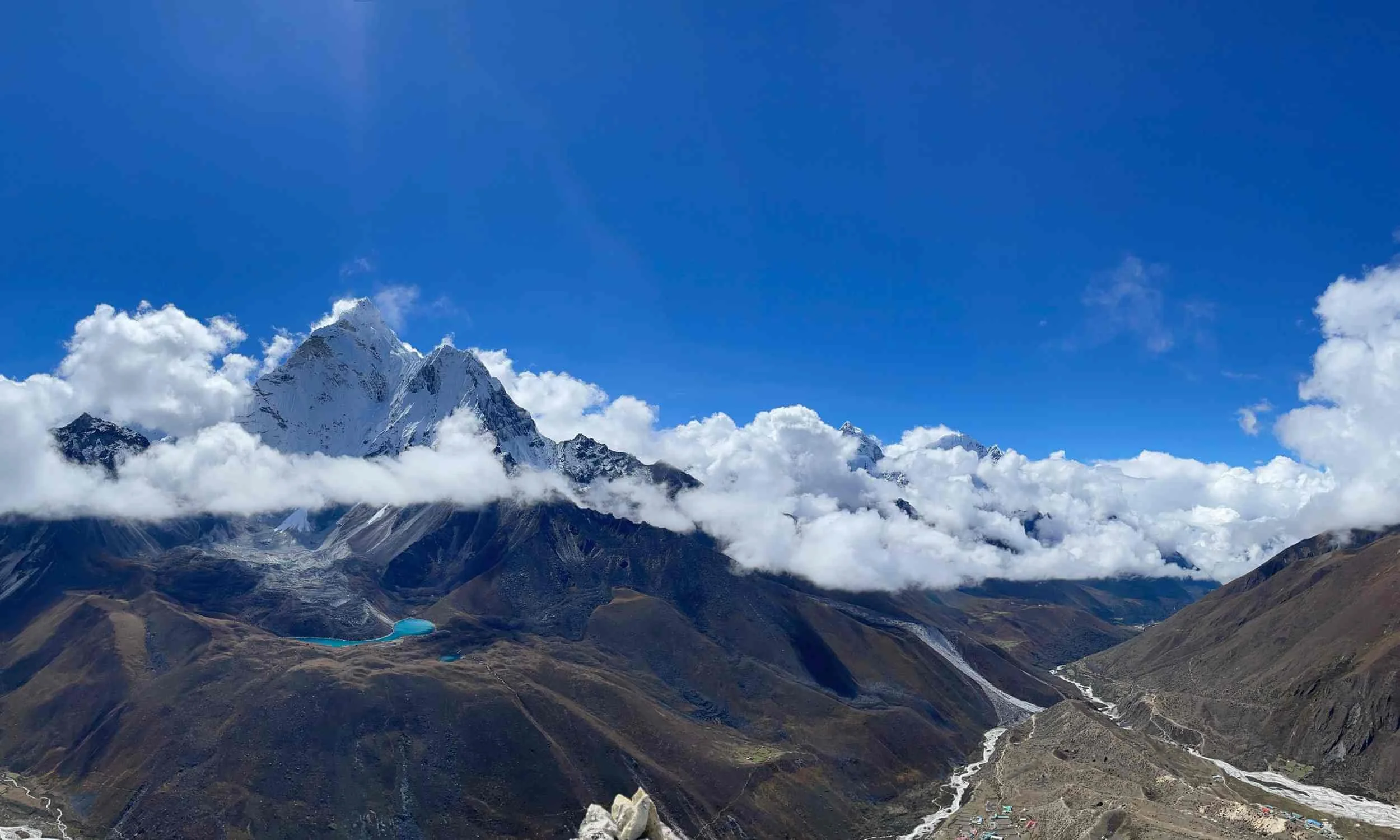
Overview of the Everest Three Passes
Everest Three Passes trek offers an intensive journey through the Khumbu region. Consequently, it presents a challenging alternative to the standard Everest Base Camp route.
This trek traverses three high-altitude passes: Renjo La, Cho La, and Kongma La. So it offers a more secluded experience away from crowded trails.
From Namche Bazaar, the path diverges towards Thame and the remote Nangpa Valley. In this region, trekkers can learn about the lives of local yak herders. The journey includes the beautiful Gokyo Lakes. Their turquoise waters stand out against the rugged terrain.
Furthermore, trekkers can summit Gokyo Ri (5,483 m), Kala Patthar (5,540 m), and Chhukung Ri (5,550 m). Each peak offers panoramic views of Everest and the surrounding mountains. After crossing Cho La, a visit to Everest Base Camp then takes you to the world's highest peak.
The Everest Three Passes Trek is ideal for those seeking a deeper experience in the Everest region. It offers both adventure and local culture, making it a truly unique journey. Furthermore, you will experience the Himalayas' raw beauty. In doing so, you'll overcome physical challenges and engage with local cultures.
Your Everest Three Passes Itinerary
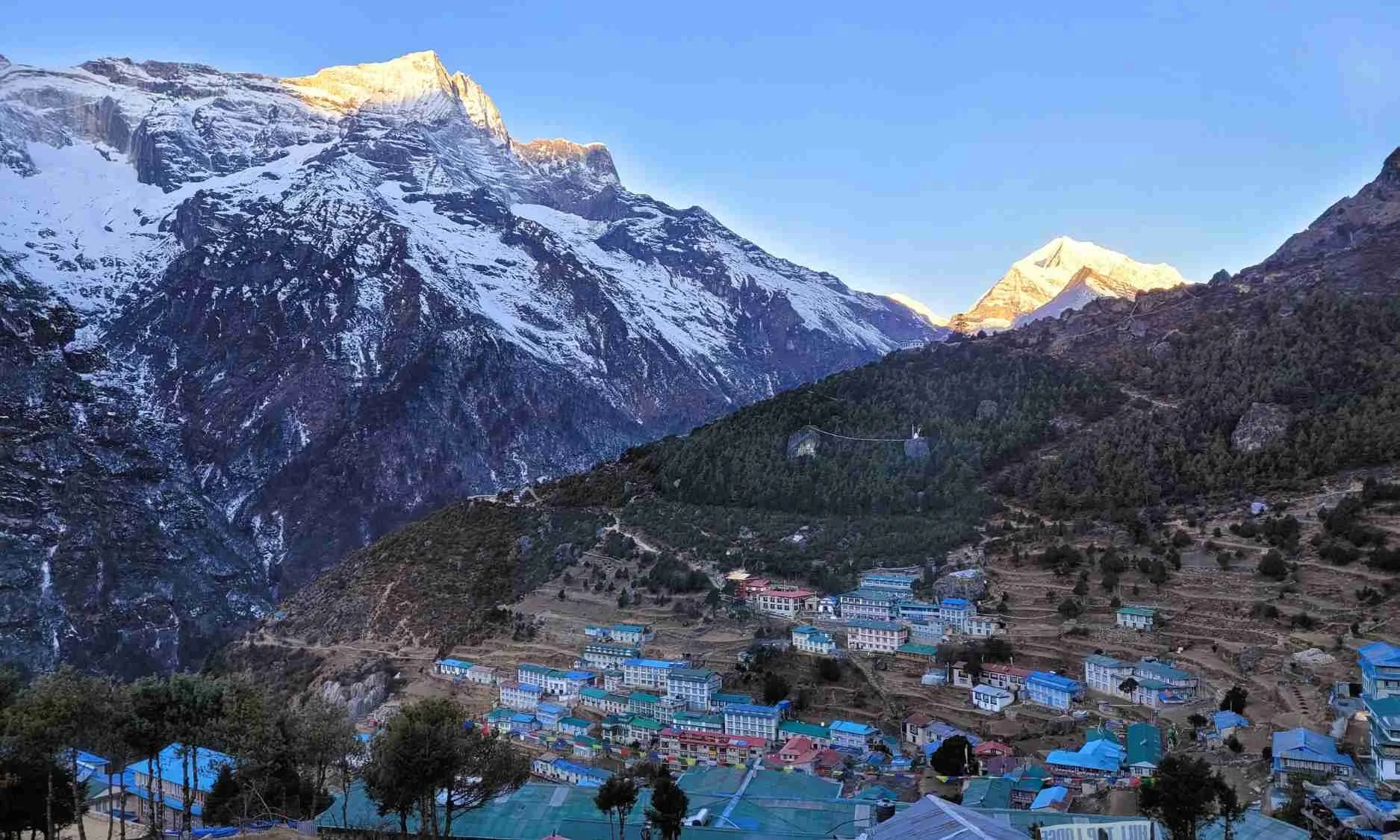
The Everest Three Passes trekking adventure offers an immersive journey through the heart of the Khumbu region. Beginning with a flight to Lukla, trekkers then hike up to Namche Bazaar. This vibrant town is the Sherpa capital and a gateway to the Himalayas. Here, acclimatisation starts with a day hike to the Everest View Hotel. Providing the first glimpse of the majestic peaks ahead.
As the journey goes on, the trail continues to Lungdhen in the remote Nangpa Valley. From here, we'll take a day hike deeper into the valley to adjust the height. This day hike, in turn, shows the untouched beauty of the region. In doing so, it offers trekkers a chance to connect with Nepal's remote wilderness.
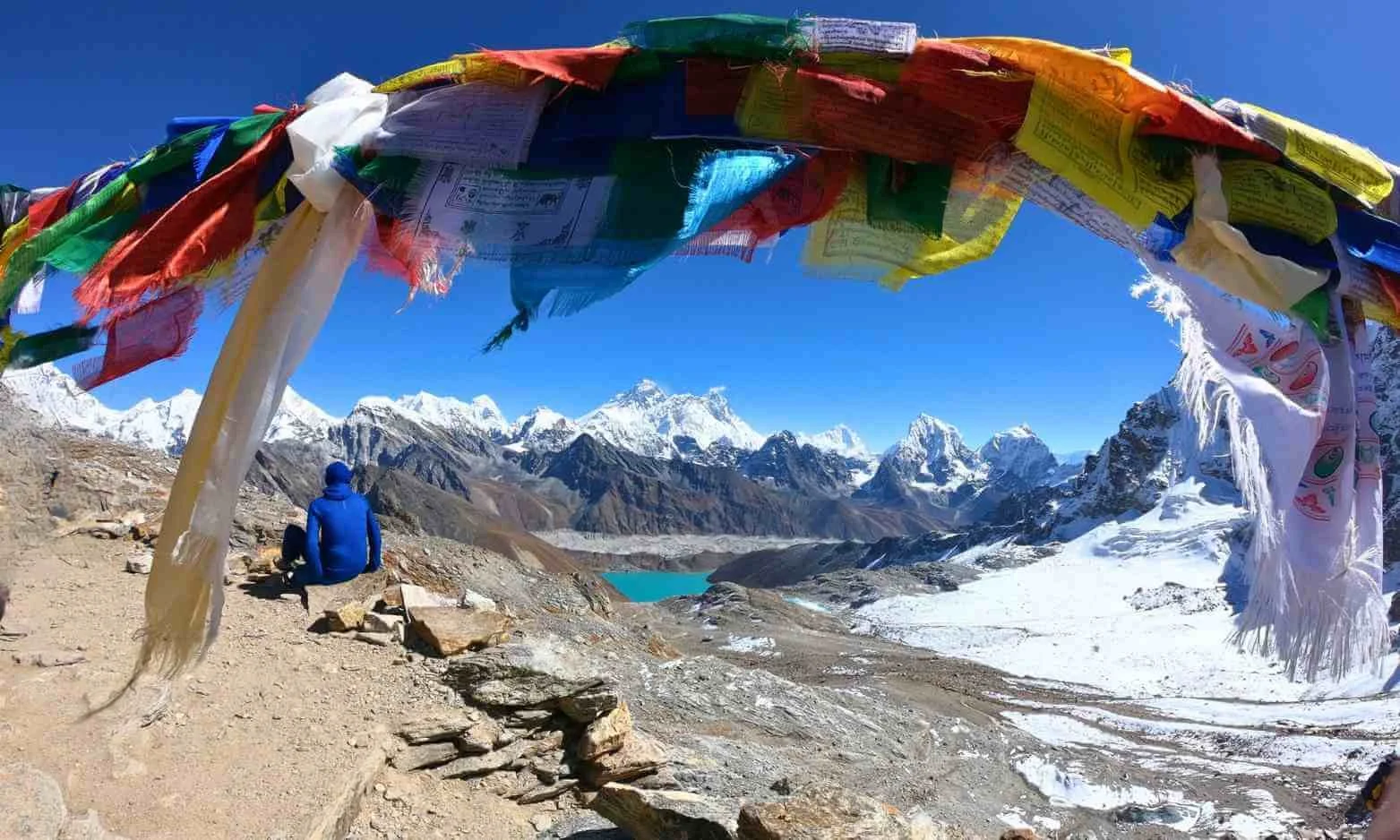
Crossing the challenging Renjo La pass rewards trekkers with panoramic views of Everest, Lhotse, and Makalu. The descent to the serene Gokyo Lakes provides a chance to rest. Another option is to climb Gokyo Ri for stunning vistas. Then, the journey continues over the Cho La pass, joining the main Everest Base Camp trail.
From Gorakshep, a day trip to the base camp offers a close look at the Khumbu Glacier. Further, the ascent to Kala Patthar provides close views of Everest and Pumori. Crossing Kongma La pass leads to Chhukung, where an optional climb to Chhukung Ri awaits.
The return to Lukla passes through the famous Tengboche monastery. The largest monastery in the Everest region. Here, trekkers can receive blessings from monks, helping them connect more with local culture. Finally, your Everest Three Passes trek ends with a flight back to Kathmandu. This journey gives you a deeper understanding of the Himalayas and Sherpa culture.
Day by day Everest 3 Passes Trek in Nepal Itinerary:
-
Welcome to Kathmandu, the vibrant capital of Nepal. Our team ensures a smooth transition from the airport to your hotel in the bustling Thamel district.
-
Finalise your preparations for the Everest Three Passes trekking adventure. This day is dedicated to ensuring you are fully equipped and briefed for the journey ahead.
-
An early start awaits as we drive to Ramechap airport. Thereafter, our flight to Lukla marks the beginning of your Three Passes adventure. Upon arrival, we'll embark on a gentle hike to Phakding.
-
Sagarmatha National Park welcomes us after securing our permits. After that, we ascend gradually to Namche Bazaar, the famed Sherpa capital. This vibrant mountain hub becomes our base for two nights. Local exploration fills our time in this unique mountain setting.
-
Our path leads to the Everest View Hotel. We acclimatise while enjoying breathtaking vistas. The terrace offers a perfect spot for a warm beverage. In this location, we immerse ourselves in Everest's dominating presence.
-
For us, the trail veers towards Thame. We embrace the tranquillity of this less-travelled path. Mountain vistas unfold during the day.
-
From Thame, we then venture into the remote Nangpa Valley. Here, old farmhouses and yak pastures dot the landscape, offering glimpses into traditional Sherpa life.
-
Today, we venture deeper into the valley. This important day helps us adjust to height, preparing us for the challenges ahead. The raw Himalayan landscape unfolds before us. Moreover, we admire the resilience of remote communities in this region. For generations, they have adapted to the challenging terrain and thrived.
-
An early start marks the beginning of our ascent to Renjo La Pass, our first crossing on the Everest Three Passes trek. As we ascend higher, the landscape changes to alpine terrain. Hours of effort end at the pass, rewarding us with breathtaking vistas. After a brief pause, we begin our long descent to Gokyo, visible in the distance.
-
Recover from yesterday's pass crossing at your own pace. Explore the nearby lake or visit the impressive Ngozumba Glacier. Alternatively, for those feeling energetic, a climb up Gokyo Ri offers stunning views.
-
We depart Gokyo Lake early. Our primary goal is to cross Ngozumba Glacier before the sun strengthens. Therefore,an early crossing ensures safer conditions, as midday sun melts ice, creating slippery paths. After traversing the glacier, we follow its east bank, descending gently to Thangnag.
-
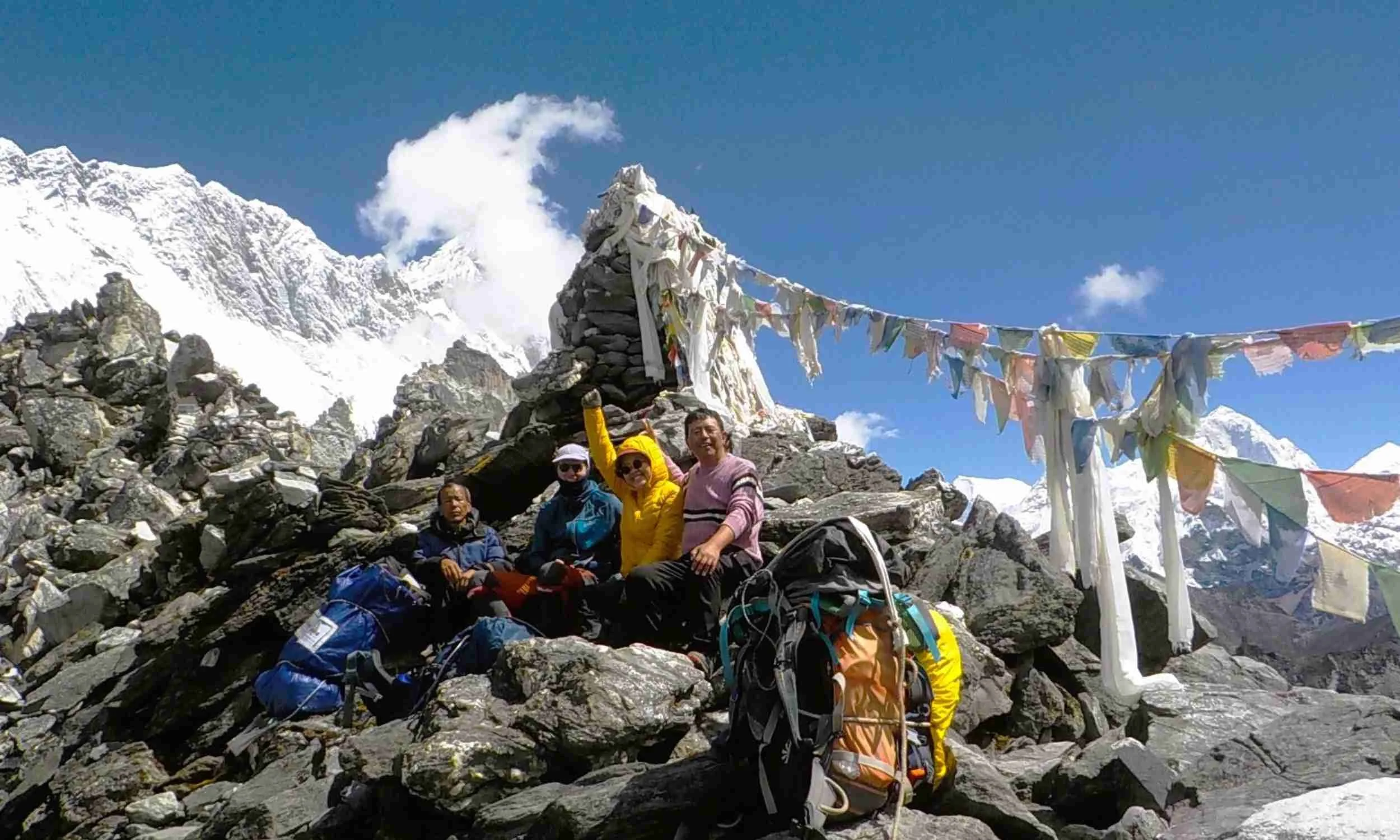
Today we tackle Cho La Pass (5,420m). At first, the climb is steep. Near the pass, the trail becomes icy and risky. Crampons will be very helpful here.
From the summit, Gokyo Valley unfolds amazingly. As we descend to Lobuche, eventually, the trail joins the famous Everest Base Camp trail.
-
Our journey continues along the main trail, navigating multiple steep moraines. Eventually, the rocky terrain leads us to Gorakshep; thereafter, we arrive in time for lunch.
-
Everest Base Camp awaits, a pinnacle of the trek. From here, the path follows Khumbu Glacier, leading to the iconic base camp. After exploring this historic site, return to the teahouse for rest or local discoveries.
-
Dawn brings an early ascent of Kala Patthar hill. At the summit, spectacular sunrise views await. Everest stands clear and impressive, while Pumori towers nearby.
Afterwards, descending to the teahouse offers a brief rest before continuing the trek to Lobuche.
-
Khumbu Glacier crossing marks the beginning of a demanding trek. During this section, trekkers face icy, slippery terrain without the comfort of water points or teahouses along the way.
Upon reaching the pass, expansive views reward the effort. Following that, the trail leads to the village of Chhukung.
-
Ascending Chhukung Ri rewards trekkers with panoramic Everest region views. Subsequently, descending to Dingboche follows, offering a gradual return to the lower regions.
-
A brief ascent leads to Tengboche, home to the region's largest monastery. This spiritual hub, therefore, offers a moment of reflection. The journey continues through lush forests and across suspension bridges, ultimately culminating in Namche Bazaar, the vibrant mountain village.
-
We trek downward, passing local settlements before reaching our final stop in Lukla.
-
Our morning flight to Ramechap Airport offers stunning vistas. Following the flight, a scenic drive returns us to Kathmandu.
-
Delve into Kathmandu's authentic culture. Visit a cultural site or wander the streets for local experiences. Additionally, shop for authentic Nepali crafts in Kathmandu's local markets.
-
Your Himalayan journey ends with a warm goodbye and a comfortable transfer from your hotel to Kathmandu International Airport.
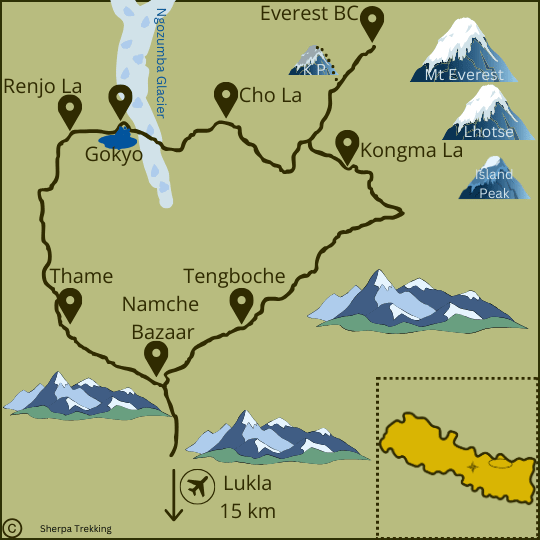
The Everest Three Passes Trek Map
Firstly, the Everest Three Passes trek map offers an essential journey overview. It highlights key landmarks. These include the challenging passes, the serene Gokyo Lake, and the iconic Everest Base Camp. This map offers a glimpse into the adventure. But remember, it's not for navigation.
Need a thorough guide? We highly recommend a detailed map. Buy this before your trek starts. This prepares you for the Everest region's diverse terrain and hidden wonders.
Three Passes trek Altitude
Altitude is a key factor during the Everest Three Passes Trek. The trek reaches heights over 5,000 meters. However, our carefully planned itinerary includes essential adjustment days. This ensures your safety and enjoyment. So you'll fully experience the trek, crossing three high mountain passes. During the trek, you also have the chance to climb peaks. These offer stunning views of Nepal's hidden treasures.
The extreme heights faced on this trek demand respect and preparation. That's why our well-planned schedule helps reduce altitude related risks. This allows you to safely experience the heights of the Himalayas.
Best Time for the Three Passes Trek in Nepal
The best time for the Everest Three Passes is during Spring (March-May) and Autumn (September-November). During these seasons, you'll find clear skies and mild temperatures. This makes it the perfect time for trekking in the region.
As a result, you'll see the Khumbu region at its liveliest, with breathtaking mountain views. The ideal weather will make your Himalayan journey even more special.
Nepal's summer brings monsoon rains, limiting visibility and making treks harder. It's best to avoid this season.
Winter offers clearer skies and fewer crowds. However, during this season, temperatures drop significantly. Make sure to pack extra warm clothes to prepare for this.
Costs of the Everest Three Passes Trek: What’s Included and What’s Not
The cost of the Everest Three Passes is dynamic. Because it is reflective of trekking seasons, group sizes, and transport. Initially, a starting price is provided, with fluctuations expected based on the specific requirements of the trekking period.
We want you to be well-prepared for the costs. Therefore, we provide a detailed list of what’s included and excluded in the Three high passes experience.
-
Airport Pickup & Drop off:
Private transfer from Kathmandu airport to your hotel. Later, after your trek, we arrange your transport back to the airport.
Kathmandu-Lukla transportation:
Your Everest 3 Passes trek begins in Kathmandu. For this leg, we arrange a road transfer to Ramechap and flights to Lukla. Moreover, all return journeys are included.
Kathmandu Accommodation:
Your stay includes two nights in a Thamel area hotel before the trek, plus two nights after. Breakfast is provided for all these nights.
Teahouse Lodging:
Seventeen nights in local teahouses during the trek.
Trek Meals: Full board (breakfast, lunch, and dinner) throughout the trek.
Professional Guide: Expert guidance from an experienced and certified mountain guide for the entire trek.
Porter Service: One porter for every two trekkers, carrying up to 10 kg per person.
Staff Support: Thorough care for our guide and porter team, ensuring their well-being throughout the journey.
Trekking Gear: Free use of a waterproof luggage bag for the duration of your trek.
Permits and Fees: Entry fees for Sagarmatha National Park, TREK card, and all local taxes.
Local Support: Committed support from our Kathmandu office throughout your journey. -
International Flights:You are responsible for arranging your travel to Nepal.
Nepal Visa: Must be obtained before your arrival or upon your arrival in Nepal
Kathmandu Meals: Lunches and dinners in Kathmandu are not covered in the package.
Personal Trek Expenses: Costs for beverages, snacks, hot showers, internet, laundry, and battery charging in the teahouses during the trek.
Travel Insurance: Personal travel insurance is essential and not included in the package. Specifically, make sure your insurance policy covers helicopter rescue above 5000 meters.
Emergency Rescue: Charges for any rescue operations during the climbing adventure are not covered.
Unforeseen Costs: Additional expenses due to itinerary changes, delays, or natural events are not included.
Gratuities: Tips for your guide and porter are at your discretion and not included in the package.
The Everest Three Passes offers an amazing journey. It takes you through Nepal's Khumbu region, even reaching Everest Base Camp. This route is tough, yet it reveals stunning Himalayan landscapes and genuine Sherpa culture.
Sherpa Trekking gives you expert guidance. We make sure you are safe and learn about the local culture. Of course, this trek requires good physical fitness. But it truly rewards you with incredible views and strong local connections.
So, if you want a challenging Himalayan experience, the Everest Three Passes trek is a top choice. Contact Sherpa Trekking to plan your adventure and discover the true spirit of Nepal's mountains.
Frequently Asked Questions
-
The three passes in the Everest region are Renjo La (5,360 m/17,585 ft), Cho La (5,420 m/17,782 ft), and Kongma La (5,535 m/18,159 ft). Together, these crossings form the core of the Everest Three Passes trek.
-
Everest 3 Passes trek is considered to be one of the hardest treks in the Everest region. Therefore, the trek requires from you a strong physical condition and mental resilience.
Begin your preparation months in advance, focusing on endurance and strength. While you are at it, make sure you include regular running and strength training in your routine. This physical and mental preparation will help you to fully embrace the challenge.
The trek takes you to altitudes over 5000 meters, including high passes and base camp. So, we've carefully added key days to help you acclimatise. This will help to keep you safe and comfortable throughout your adventure.
-
Preparing for the Everest Three High Passes trek needs good physical condition and proper acclimatisation. Even with careful plans, altitude sickness can still happen. Drink enough water and avoid alcohol on your trip.
If symptoms start, stop climbing at once. Acetazolamide can help you acclimatise. But if symptoms stay or get worse, you must go down.
Our experienced guides will support you on this hard trek. Always tell us about any discomfort, even if it seems small. Your safety is most important as we explore Nepal's hidden Three Passes together.
-
Hiking on the Everest 3 Passes trek involves obtaining specific permits. Specifically, you'll need a Sagarmatha National Park Permit and an Everest TREK card. Our team at Sherpa Trekking takes care of these tasks for you.
-
The Everest Three High Passes trek lasts at least 18 days. This time helps you adjust to the altitude and get the necessary rest. While some may complete it faster, they are typically pre-acclimatised.
We've incorporated a free day in Kathmandu post-trek for dual purposes. If you get back on time, you can delve into Nepal's cultural treasures. It also acts as a contingency for potential weather delays at Lukla airport.
Our whole Everest 3 Passes trip lasts 22 days. Our itinerary includes leisure days in Kathmandu as well.
-
Most trek nights, you sleep in local teahouses. These offer basic rooms and dining options. Specifically, these mountain huts provide simple, unheated bedrooms with shared bathrooms, though some have private facilities.
The dining room heats up after sunset. Meals feature rice, pasta, and potatoes. But expect limited fresh vegetables and meat.
-
To begin, high elevation trekking needs smart layering. Also, essential gear includes warm layers, waterproof outer clothes, and sturdy boots. Make sure you choose a sleeping bag rated to -20°C or lower. This is crucial for keeping you warm during cold mountain nights. And, don't forget sunglasses, sunscreen, a hat, gloves, and a first aid kit.
We provide a full packing list for download.
We offer rentals for warm down jackets and sleeping bags. Our guides test these items for Everest's harsh winter conditions. This ensures you stay comfortable on the trail.
-
The Everest region offers extensive mobile coverage. But expect some days without a signal. So, for a steady connection, choose NTC or NCELL SIM cards. We recommend you buy these in Kathmandu before you start your trip.
You can get Wi-Fi with Everest Link network cards. Teahouses sell these cards for 24-hour use. But expect short power cuts, which also affect Wi-Fi availability.
-
ATMs exist in Lukla and Namche Bazaar, but they don't always work. That's why we advise to bring plenty of cash from Kathmandu for your Everest trek. Teahouses along the route don't accept credit cards.
-
Charging your electronic devices on the Everest Three Passes trek is possible; however, it comes at a fee.
Also, electricity in the teahouses can be unreliable. Sometimes, it only runs on solar energy. So, we suggest you bring a power bank or solar charger. This keeps your devices charged on the trek.
-
On our Everest Three Passes trek, we preserve the stunning beauty of the Khumbu region. We also support the "Carry Me Back" initiative. Sagarmatha Next and the SPCC lead this vital program. It helps with sustainable waste management.
We ask you to help. To do this, use the provided "Carry Me Back" bags to carry back waste. In this way, this system helps us properly remove waste from Sagarmatha National Park for recycling. In the end, this protects this fragile and incredible landscape for future generations.