
Kyajo Ri is an off the beaten climbing peak in the Khumbu
Overview of climbing to the Peak of Kyajo Ri
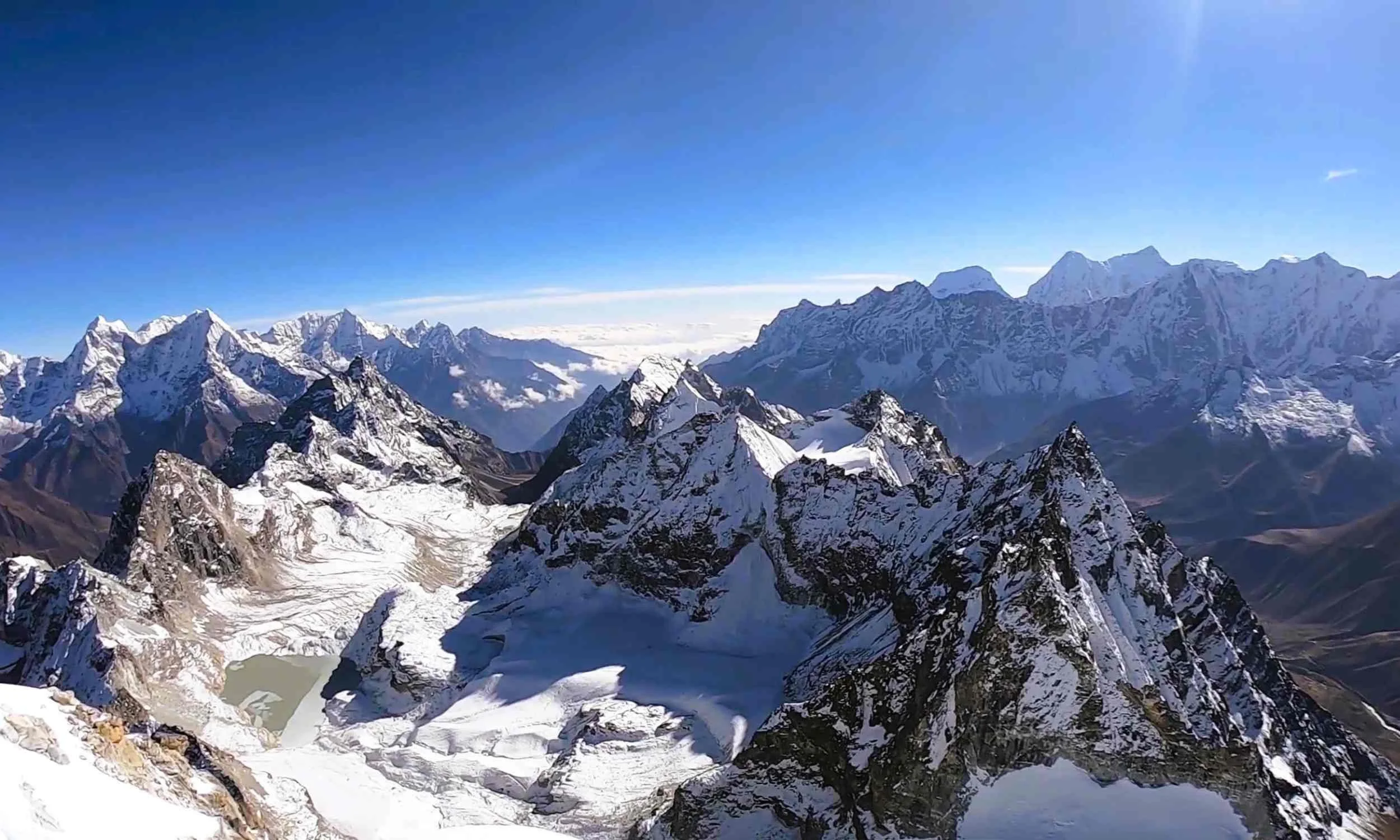
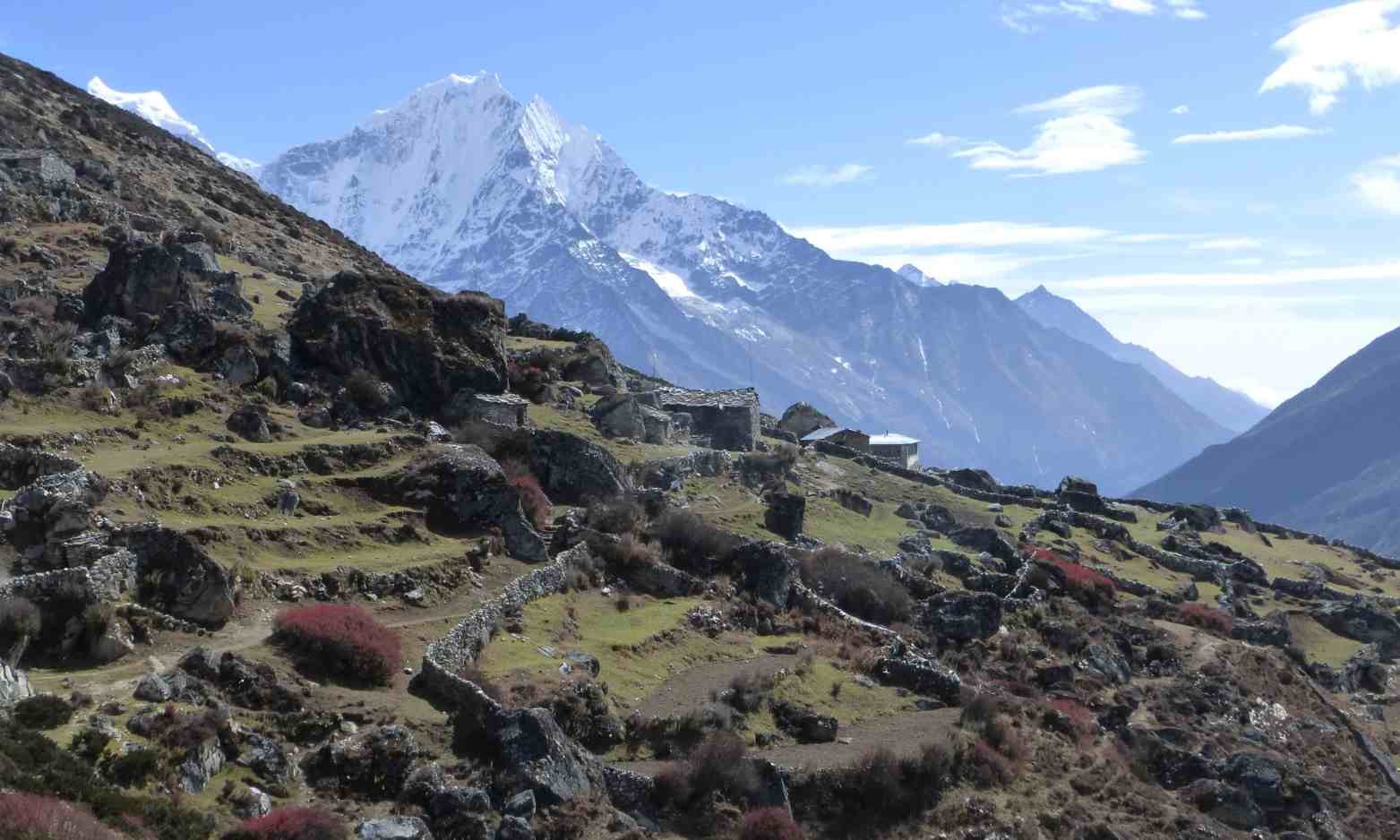
Kyajo Ri, an off-the-beaten-path peak in the Everest region, stands tall at 6,186m (20,296ft). This semi-technical climb offers a perfect balance of challenge and reward for experienced mountaineers.
This demanding yet rewarding ascent begins with a trek through the legendary Khumbu Valley. You'll pass through typical Sherpa villages and monasteries, immersing yourself in the local culture.
Acclimatisation is key, and we've designed our route to include the breathtaking Gokyo Lakes and Renjo La Pass. These stops not only prepare you for the altitude but also showcase the majestic 8000m peaks of Everest, Makalu, and Cho Oyu.
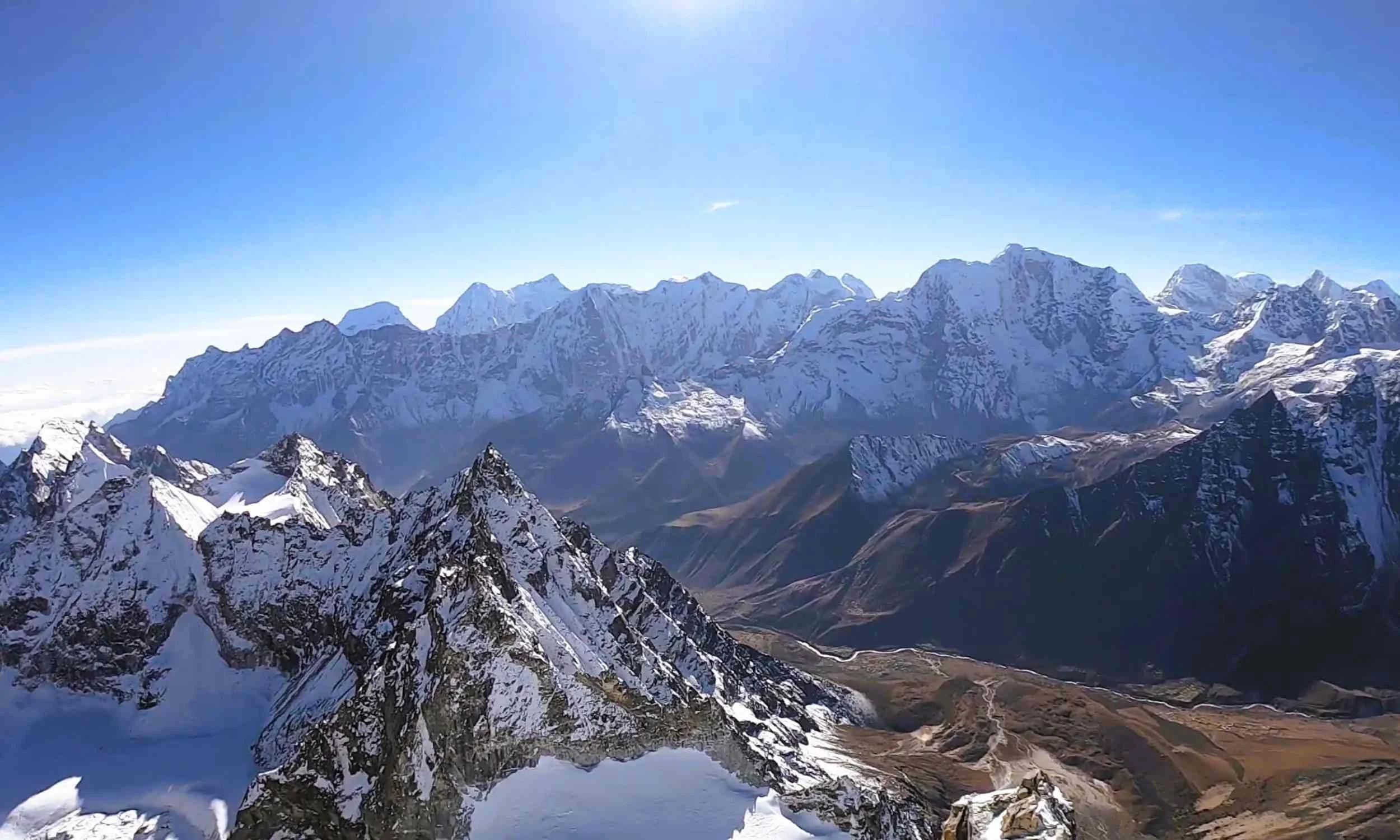
Our climb follows the southwest ridge, requiring basic mountaineering skills, altitude experience, and good fitness. Our expert-led expedition includes two strategically placed altitude camps, ensuring you're well-prepared for the summit push. The long ascent to Kyajo Ri peak challenges climbers with steep rock, ice, and snow sections. Your efforts are rewarded with an unmatched 360° panorama of the Khumbu region and beyond.
Our skilled Sherpa team, with a 1:2 guide ratio, ensures a safe and successful climb while supporting local communities and preserving the Himalayan ecosystem.
Kyajo Ri Peak: Our Tailored Itinerary for Success
Your Kyajo Ri expedition begins in Kathmandu with a final gear check, ensuring you're fully prepared for the journey ahead. From here, you'll fly to Lukla and begin your trek to Namche Bazaar, the vibrant heart of Sherpa culture. Departing from the well-trodden Everest Base Camp trail, you'll venture towards the lovely Gokyo Lakes, where an acclimatisation hike offers breathtaking views of the massive Ngozumba Glacier and the looming presence of Cho Oyu.
Crossing Renjo La Pass offers a preview of the mountain vistas awaiting you. Beyond lies a tranquil section of the Everest region, far from the typical tourist paths. After Thame, you'll enter a secluded valley leading to Kyajo Ri Base Camp. This peaceful spot, surrounded by towering peaks, provides a day for rest and preparation.
The climb begins with an ascent to Camp I for acclimatisation, followed by a descent back to base camp. The subsequent days are dedicated to the climb, progressing from Camp I to the col of Camp II. From here, the technical ascent to the summit begins in the early hours. Reaching Kyajo Ri's peak rewards you with an awe-inspiring 360-degree panorama of both renowned and lesser-known mountains, glacial lakes, and vast landscapes.
After savouring the summit, you'll descend to base camp to celebrate your achievement. The journey concludes with a return trek to Namche Bazaar and a flight from Lukla.
Detailed Kyajo Ri Day by Day Itinerary:
-
Your journey begins as you land at Kathmandu International Airport. Our team will welcome you upon arrival. We'll then escort you through the vibrant streets of Kathmandu to your hotel in Thamel.
-
Today marks the final gear check for our Kyajo Ri expedition. We'll ensure every piece of equipment meets our standards. Our team is simultaneously completing permit paperwork, allowing you to focus on the adventure ahead.
-
An early start awaits as we drive to Ramechap airport. Our flight to Lukla marks the beginning of our adventure. Upon arrival, we'll embark on a gentle hike to Phakding.
-
We enter Sagarmatha National Park after permit verification. Our journey continues with a gradual ascent to Namche Bazaar, the renowned Sherpa capital. This vibrant hub, bustling with fellow trekkers, will be our home for two nights as we acclimatise and explore.
-
Our day hike leads to the Everest View Hotel. This day serves dual purposes: acclimatisation and breathtaking vistas. Relax on the terrace with a hot drink, absorbing the majesty of Everest.
-
We diverge from the famed Everest Base Camp trail today. Our journey leads us into the valley of the Dudh Kosi River. This path ends today at a welcoming teahouse in Dole.
-
We trek along the landscape's undulations towards Machermo. The valley's history as a yak settlement is still palpable. Now, it welcomes trekkers with a selection of teahouses, blending tradition with modern hospitality.
-
Today's trek leads us out of the valley towards Gokyo Lake. The trail offers increasingly spectacular views of the surrounding mountains.
After crossing the roaring Dudh Kosi river on a wooden bridge, we encounter a series of small lakes, frequently inhabited by rare Ruddy ducks. Our path concludes along the shore of Gokyo Lake, with Gokyo Ri looming in the background and a welcoming teahouse ahead.
-
A day hike for acclimatisation begins and takes us alongside the impressive Ngozumba glacier. Khumbu's mountains dominate the horizon while Cho Oyu looms far away, completing this awe-inspiring Himalayan panorama.
-
Pre-dawn departure marks the start of a challenging climb to Renjo La. The ascent unveils breathtaking vistas, with Kanchenjunga visible midway.
At the pass, panoramic views of Everest, Makalu, and Lhotse explain its popularity among local guides. The descent features a picnic lunch amidst stunning scenery. The day concludes at a teahouse, leaving us simultaneously exhausted and invigorated.
-
Following yesterday's challenging trek, a gentle descent to Thame awaits. The path winds through Nangpa Valley, an authentic region. Traditional yak houses and settlements dot the landscape, offering glimpses into local life.
-
The trek to Mende diverges from the main trekking path. The trail bends towards a secluded valley.
-
Departing Mende, we traverse the terrain's natural contours. The path occasionally ascends, revealing hidden vistas. Our base camp location is situated on a flat area facing a steep slope that marks the valley's head.
Overnight camping
-
We dedicate this day to base camp activities. Acclimatisation takes priority as we adjust to the altitude. Testing our climbing gear ensures readiness for the upcoming ascent.
Overnight camping
-
Our team ascends to Camp I via a rocky path. We transport essential gear and then descend to base camp. This round trip serves as an effective acclimatisation strategy, preparing us for the challenges ahead.
Overnight camping
-
Today, we ascend to Camp I along the same trail as before. Short hikes from Camp I enhance our acclimatisation.
Overnight camping
-
Camp II awaits. The path leads up a challenging glacier and onto a col. Your climbing experience becomes crucial as we navigate the steep slope.
Overnight camping
-
From the col camp, ascend gradually steepening snow slopes. Navigate through a rock band to reach the main snow crest. The final ascent involves a steep climb towards the summit.
Kyajo Ri offers breathtaking views of the Khumbu. Descend via multiple abseils to the high camp. A second night awaits you on the col.
Overnight camping
-
A contingency day offers crucial flexibility. Weather and other factors can cause unforeseen delays. This extra time safeguards your journey, allowing for a secure and efficient climb of Kyajo Ri.
-
Packing up high camp marks the start of our return. We descend carefully, mindful of the terrain. Each step brings us closer to familiar ground.
Overnight camping -
Begin your return trek to Namche Bazaar. Retrace your steps along the familiar trail, descending from Everest's heights. Pass through quaint villages and stunning landscapes. Namche Bazaar awaits, offering its vibrant atmosphere and unique mountain town charm once more.
-
Our journey concludes as we retrace our path back to Lukla. Our adventure nears its end.
-
Your journey concludes with a flight to Ramechap Airport. From there, a drive returns you to Kathmandu. In the capital, you can reflect on and celebrate your remarkable climbing achievement.
-
Delve into Kathmandu's authentic culture. Visit a cultural site or wander the streets for authentic experiences. Shop for authentic Nepali crafts in Kathmandu's local markets.
-
Your climbing journey ends with a warm goodbye and a comfortable transfer from your hotel to Kathmandu International Airport.
Kyajo Ri map
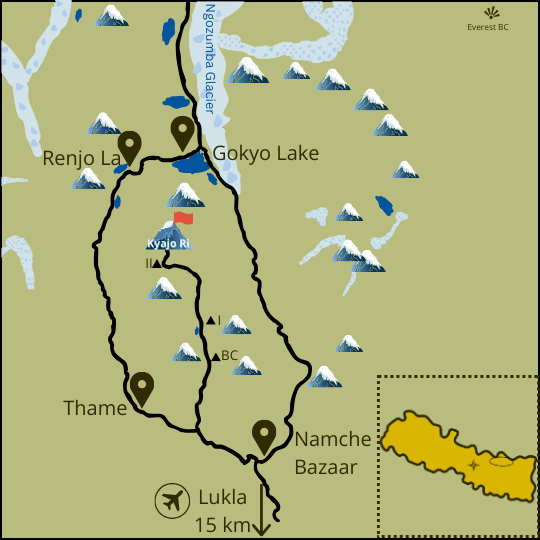
Our website features a basic map of the Kyajo Ri climb, offering a clear overview of your trek. While not intended for navigation, this map highlights key landmarks along your journey. You'll see iconic locations such as Gokyo Lake and Renjo La pass marked.
The map also indicates the positioning of the climbing camps en route to the summit. This visual aid serves to orient you with the terrain and major waypoints, enhancing your understanding of the adventure that lies ahead on Kyajo Ri.
Assessing the Challenge: Kyajo Ri's Climbing Difficulty
Kyajo Ri is a hard peak to climb, presenting a genuine challenge for experienced mountaineers. Unlike its more famous counterparts, Mera Peak and Island Peak, Kyajo Ri doesn't offer the convenience of pre-fixed ropes. Our dedicated Sherpa team takes on this crucial task.
Climbers play an active role in the expedition, helping to set up Camps I and II. Meals during the climb are simple yet nourishing, consisting mainly of dry foods and hot water-based dishes.
These factors combine to make Kyajo Ri a true expedition, offering an immersive and authentic high-altitude climbing experience in Nepal's breathtaking landscape.
When is the Best Time to climb Kyajo Ri
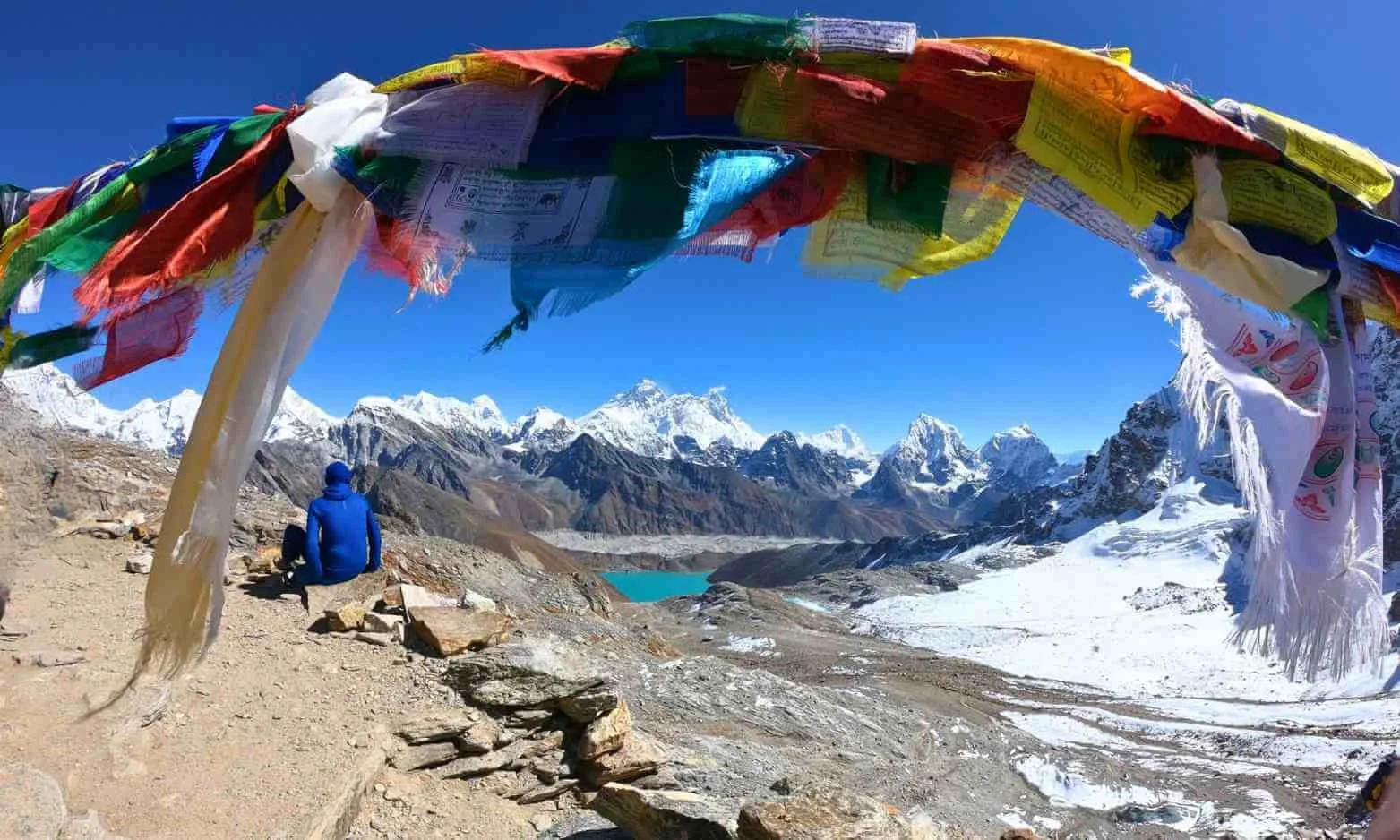
To climb Kyajo Ri, target the pre-monsoon (late April to early June) or post-monsoon (September to November) seasons. These periods provide the best conditions for your ascent.
Pre-monsoon offers stable weather and clear visibility. Post-monsoon presents moderate temperatures and vibrant scenery. Both seasons allow for a more intimate experience with the mountain.
Remember, high-altitude weather can change quickly. Stay prepared and flexible in your plans. Climb Kyajo Ri during these times to truly immerse yourself in Nepal's off-the-beaten-path mountain adventures.
Kyajo Ri Expedition costs: What's Included and What's Not Included
The cost of the Kyajo Ri Peak is dynamic and reflective of trekking seasons, group sizes, and additional logistics. A starting price is provided, with fluctuations expected based on the specific demands of the trekking period.
To ensure that you are well-prepared for the costs, we provide a detailed list of what’s included and excluded in the climbing experience.
-
Airport Pickup & Drop off
Immediate transfer from Kathmandu airport to your hotel, marking the start of your adventure. After your trek, we organise your transport back to the airport.
Kathmandu-Lukla Flights: Your Nepal adventure begins in Kathmandu. We arrange a road transfer to Ramechap and flights to Lukla. All return journeys are included.
Kathmandu Accommodation: Your stay includes two nights in a Thamel area hotel before the trek and two nights after, with breakfast provided.
Teahouse Lodging: Fourteen nights in local teahouses during the trek, immersing you in authentic Nepali hospitality.
Camping during the climb: Camping begins at Base Camp and continues to Camp II. We provide dome tents, mattresses, and sleeping bags until we reach Namche Bazaar. For enhanced insulation during your journey, we recommend bringing an additional insulated mattress from your local outdoor store.
Trek Meals: Full board (breakfast, lunch, and dinner) throughout the trek. Your climb includes a variety of drinks. We offer water and hot beverages. Alcoholic drinks are not available.
Professional Climbing Guide: Expert guidance from a licensed climbing guide for the entire climb.
Porter Service: One porter for every two trekkers, carrying up to 10 kg per person. Additional porter for carrying the camping gear.
Staff Support: Comprehensive care for our guide and porter team, ensuring their well-being throughout the journey.
Trekking Gear: Complimentary use of a waterproof luggage bag for the duration of your trek.
Climbing Gear: Climb with confidence. Our package includes vital climbing gear: ropes, helmets, ice axes, harnesses, and jumars. This equipment, essential for your safety, allows you to focus on the breathtaking Nepali landscape.
Permits and Fees: Entry fees for Sagarmatha National Park, TREK card, Kyajo Ri climbing permit and all applicable local taxes.
Local Support: Dedicated assistance from our Kathmandu office throughout your Himalayan experience. -
International Flights:You are responsible for arranging your travel to Nepal.
Nepal Visa: Must be obtained before your arrival or upon your arrival in Nepal
Kathmandu Meals: Lunches and dinners in Kathmandu are not covered in the package.
Personal Trek Expenses: Costs for beverages, snacks, hot showers, internet, laundry, and battery charging in the teahouses during the trek.
Travel Insurance: Personal travel insurance is essential and not included in the package. Ensure your insurance policy includes helicopter rescue coverage for altitudes exceeding 6000 meters.
Emergency Rescue: Charges for any rescue operations during the climbing adventure are not covered.
Unforeseen Costs: Additional expenses due to itinerary changes, delays, or natural events are not included.
Gratuities: Tips for your guide and porter are at your discretion and not included in the package.
Ascending Kyajo Ri peak is an adventure that combines technical climbing with the authentic charm of Nepal's Everest region. This secluded expedition offers a unique alternative to more crowded routes, allowing climbers to experience the Himalayas' raw beauty. Sherpa Trekking provides expert guidance, ensuring safety while fostering connections with local communities.
Kyajo Ri challenges climbers physically and mentally, rewarding them with unparalleled views and a sense of accomplishment. For those seeking a genuine Himalayan experience, this climbing peak stands as a testament to Nepal's diverse mountaineering opportunities.
Contact us to plan your Kyajo Ri expedition and discover the hidden wonders of Nepal's mountains.
Frequently Asked Questions
-
Prior high-altitude trekking experience is crucial for Kyajo Ri. Basic mountaineering skills are required.
Familiarity with climbing gear is essential. This includes ice axes, crampons, and ropes. These requirements ensure your safety and enhance your summit experience.
-
Kyajo Ri demands exceptional fitness. Strength and endurance are crucial, as is mental fortitude. Prepare diligently for months before your journey.
Focus on building stamina and overall body strength. Incorporate aerobic exercises like running into your regimen. Complement these with strength training to ensure you're physically ready for this challenging ascent.
-
Our itinerary prioritises your safety through careful acclimatisation. We begin by crossing a high-altitude pass, preparing your body for the challenges ahead. This strategic approach eases you into the altitude.
From Base Camp, we incorporate a rotation to Camp I. This additional step ensures your body adapts optimally before the final ascent.
-
Communication is crucial. Inform our guide of any discomfort, even mild symptoms. Physical fitness aids your journey, but acclimatisation is essential at high altitudes. Altitude sickness can strike anyone, regardless of preparation.
Stay hydrated and avoid alcohol. Cease ascent if symptoms appear. Acetazolamide may accelerate acclimatisation. Should symptoms intensify or linger, descending promptly is the only solution.
-
Adequate insurance is crucial for your expedition. It should cover high-altitude climbing and emergency helicopter evacuation.
The Everest region offers reliable rescue services. Experienced doctors at Khunde and Lukla hospitals specialise in altitude sickness treatment.
-
Kyajo Ri Peak requires two crucial permits. First, the Everest trek permit for regional entry. Second, the specific Kyajo Ri climbing permit. These ensure your legal right to explore this magnificent peak.
Permit fees reflect seasonal demands. Spring climbers invest $350 per person, while autumn adventurers pay $175.
-
We recommend bringing your own mountaineering boots, preferably double boots for optimal insulation. All other climbing equipment is included in our package. For camping, we provide a dome tent, light mattress, and warm sleeping bag. If you prefer extra comfort, consider bringing your own warmer mattress.
We offer warm down jackets for rent. These are ideal for teahouse stays and equally suitable for your expedition.
-
Most trek nights are spent in local teahouses, which offer basic rooms and dining options. These mountain huts provide simple, unheated bedrooms with shared bathrooms, though some offer private bathroom facilities. The dining room is usually heated after sunset.
During the climb, we transition to alpine-style camping. Tents become your home, and meals shift to dry foods and energy bars from Camp to summit and back to Base Camp.
-
The Everest region boasts reliable telephone networks and widespread WiFi. Connectivity diminishes as we approach Kyajo Ri.
Our mountain guide carries a satellite phone for emergencies. This guarantees communication capabilities in any situation.
-
Explore our commitment to responsible travel in Nepal here.
For our Kyajo Ri peak adventure, we are committed to preserving the breathtaking beauty of the Khumbu region. Our dedication extends to supporting the "Carry Me Back" initiative. This vital program, led by Sagarmatha Next and the SPCC, focuses on sustainable waste management.
We encourage you to participate by using the provided "Carry Me Back" bags to transport back any non-biodegradable waste. This collaborative system ensures that waste is properly removed from the Sagarmatha National Park for recycling. Ultimately, helping us all to protect this fragile and incredible landscape for future generations.